ADA-Compliant Concrete Sidewalks: What Property Owners Need to Know
Property owners seeking ADA-compliant sidewalk construction aim to ensure accessibility and safety; local contractors can help create compliant, functional concrete sidewalks.
Property owners exploring ada-compliant concrete sidewalks: what property owners need to know are in the right place. Ensuring sidewalks meet accessibility standards is an important consideration for many property owners, especially those planning renovations or new constructions. Practical reasons for looking into this topic include compliance with legal requirements, enhancing safety for all visitors, and improving the overall accessibility of the property. Local contractors experienced in ada-compliant sidewalk construction can provide valuable guidance and services to help navigate these standards effectively, making it easier to create accessible pathways that serve everyone’s needs.
Continuing to read can reveal how ada-compliant concrete sidewalks can be integrated seamlessly into existing or new properties, with attention to practical details like slope, surface texture, and curb ramps. Property owners who understand the essentials of accessible sidewalk design can make informed decisions and work with skilled service providers to ensure their pathways meet current guidelines. Whether for commercial or residential properties, connecting with local contractors specializing in ada-compliant sidewalk construction can help ensure accessibility goals are achieved efficiently and reliably.
- ADA-compliant sidewalk construction - property owners planning to meet accessibility standards may need this work to ensure sidewalks are compliant and accessible. Local contractors approach this by assessing existing pathways and implementing smooth, level surfaces with proper curb ramps. Sidewalk replacement and upgrades - when existing concrete sidewalks are uneven or damaged, service providers can replace or retrofit them to meet ADA guidelines. Accessible curb ramp installation - property owners seeking to improve wheelchair access often require curb ramps built to ADA specifications, which local experts can install with precision. Concrete sidewalk remodeling - for properties needing to modify or extend existing sidewalks, local pros can reshape and reinforce concrete to enhance accessibility features. Compliance upgrades for existing sidewalks - property owners updating older pathways can rely on local contractors to modify and bring sidewalks up to current ADA standards.
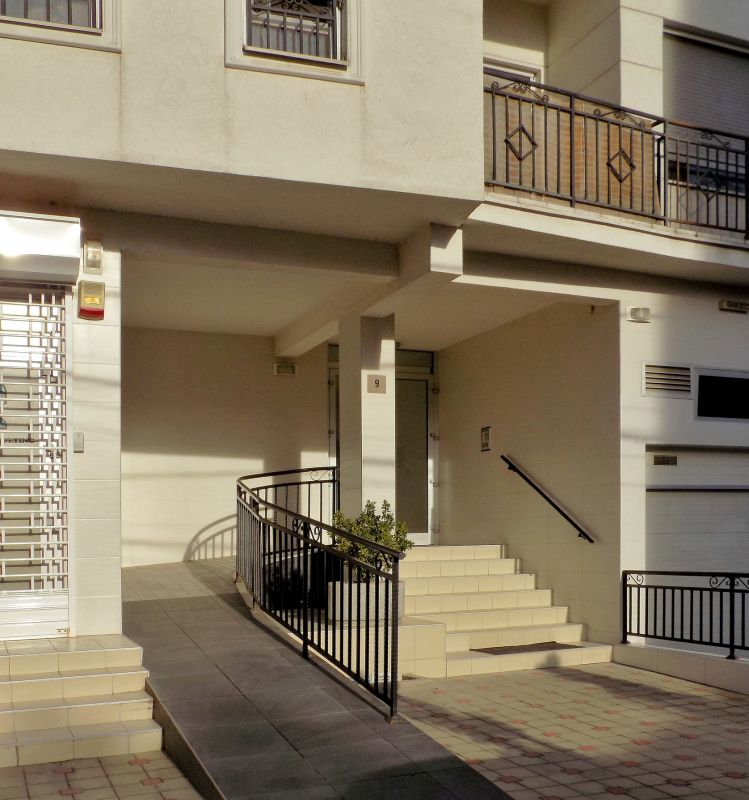

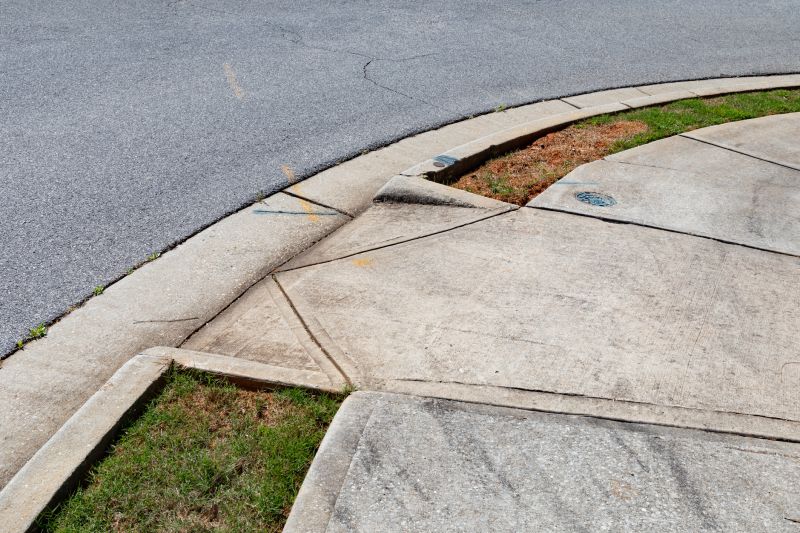
When property owners search for information about ada-compliant concrete sidewalks: what property owners need to know, they are often seeking guidance on how to ensure outdoor walkways meet accessibility standards. These standards are designed to make sidewalks usable for everyone, including individuals with mobility challenges. Property owners may be planning a new installation, or they might need to modify existing sidewalks to comply with regulations. The focus is typically on understanding what features are required, such as proper slope, width, and surface smoothness, to create safe and accessible pathways that serve all visitors or residents.
This topic often relates to projects involving public spaces, commercial properties, or multi-family residential complexes. Problems that lead property owners to explore ada-compliant sidewalk construction include uneven surfaces, narrow pathways, or obstacles that hinder wheelchair access. Plans may involve replacing old, cracked, or non-compliant concrete sidewalks with new, ADA-compliant versions. These projects can also be part of larger accessibility upgrades or property renovations aimed at improving overall safety and usability. Understanding the specific requirements helps property owners avoid potential legal issues and ensures their properties are welcoming and accessible to everyone.
The types of properties that typically come up in discussions about ada-compliant concrete sidewalks include commercial storefronts, apartment complexes, senior living communities, government buildings, and public parks. These properties often have high foot traffic and must adhere to accessibility laws. Residential homeowners may also seek guidance if they are modifying sidewalks leading to their homes, especially in communities with strict local ordinances. For these projects, local contractors who specialize in ADA-compliant sidewalk construction can provide the expertise needed to design and install pathways that meet all relevant standards, ensuring compliance and functional accessibility.
For property owners considering ADA-compliant sidewalk projects, understanding how local service providers fit into the process is essential. These professionals can evaluate existing walkways, advise on necessary modifications, and handle the construction to meet ADA guidelines. Their experience ensures that sidewalks are built with the correct slope, width, and surface finish, reducing the risk of non-compliance issues. Connecting with local contractors who specialize in ADA-compliant concrete sidewalk construction helps property owners turn their accessibility plans into reality, creating safe, functional, and compliant outdoor pathways for all users.
Concrete paving projects - local contractors experienced in concrete paving can apply similar skills to ensure sidewalks meet accessibility standards and proper grading requirements.
Curb and gutter installation - professionals in curb and gutter work often handle ADA-compliant features such as ramps and tactile indicators integrated into sidewalk designs.
Accessible ramp construction - specialists in ramp installation focus on creating smooth, level transitions that align with ADA guidelines, paralleling sidewalk accessibility needs.
Sidewalk repair and restoration - local service providers skilled in sidewalk repair can address uneven surfaces and cracks to maintain ADA compliance and safety.
Landscaping and grading services - experts in grading and site prep ensure proper slope and drainage, which are critical for accessible sidewalk construction.
Parking lot and pathway paving - paving specialists working on parking lots often incorporate accessible pathways that require similar planning and concrete skills.
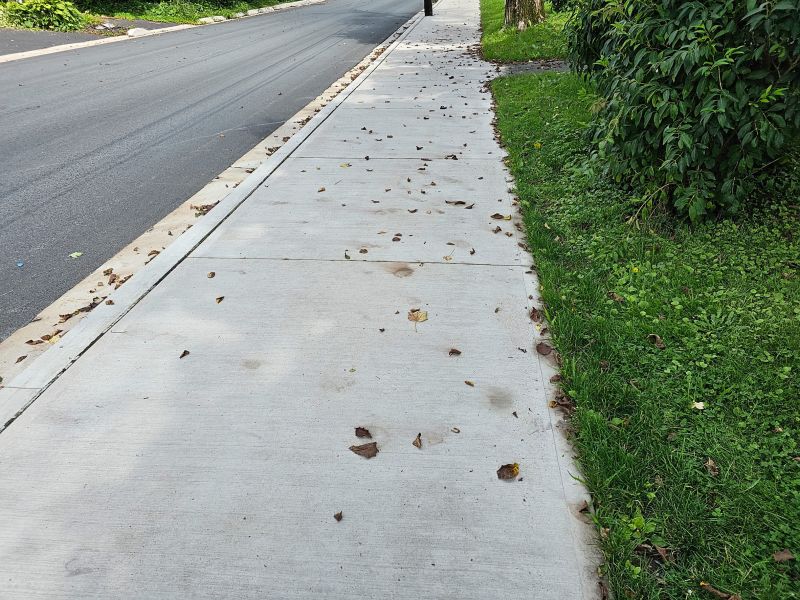
When evaluating service providers for ADA-compliant concrete sidewalks, it is important to consider their experience with similar projects. Homeowners should inquire about the types of sidewalks the contractors have previously installed, paying attention to projects that meet ADA standards and accessibility requirements. An experienced contractor will understand the specific design considerations, such as proper slope, width, and surface texture, ensuring the sidewalk is both functional and compliant. This familiarity can help prevent common issues and ensure the project aligns with accessibility guidelines from the outset.
Clear, written expectations are essential when working with local contractors on ADA-compliant sidewalk construction. Homeowners should seek detailed proposals that outline the scope of work, materials to be used, and compliance standards to be met. Having these expectations documented helps avoid misunderstandings and provides a reference point throughout the project. It also encourages transparency, allowing property owners to compare proposals effectively and ensure that the chosen service provider understands and plans to meet all necessary ADA requirements.
Reputable references and good communication are key factors when selecting local contractors for sidewalk projects. Homeowners are encouraged to ask for references from previous clients who had similar work completed. This can provide insight into the contractor’s reliability, quality of work, and adherence to project specifications. Additionally, contractors who communicate clearly and promptly can make the process smoother, providing updates and addressing questions throughout the project. Strong communication and proven reliability help ensure the project proceeds as expected and meets all accessibility standards for ADA-compliant sidewalks.
Property owners often search for ada-compliant concrete sidewalks: what property owners need to know when they are planning practical projects around their homes and businesses. Local pros provide ADA-Compliant Sidewalk Construction services for everyday jobs and straightforward project options.
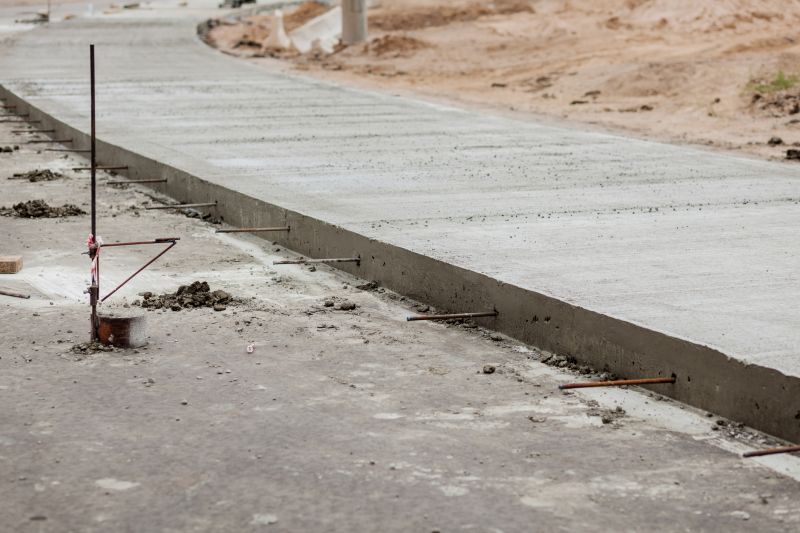

Understanding the importance of ADA-compliant concrete sidewalks is essential for property owners who want to ensure accessibility and safety for all visitors. Everyday situations, such as welcoming guests, managing deliveries, or maintaining a business storefront, highlight the need for smooth, level walkways that accommodate individuals with mobility challenges. Property owners might look up this topic to learn about the specific design standards required by the ADA, or to find local contractors who can help bring their sidewalks into compliance while maintaining durability and visual appeal.
When considering sidewalk improvements or new construction, property owners often seek the expertise of local contractors experienced in ADA-compliant sidewalk construction. These service providers can handle projects that require precise measurements, appropriate slope, and accessible features like curb ramps. Connecting with local pros ensures that sidewalk updates meet necessary guidelines and are built to last, providing a safe and inclusive environment for everyone in the community.
What are the key features of ADA-compliant concrete sidewalks? ADA-compliant sidewalks include features such as a smooth, slip-resistant surface, appropriate width for wheelchair access, and curb ramps where necessary to ensure accessibility for all users.
How do local contractors ensure sidewalks meet ADA standards? Local contractors follow ADA guidelines by designing and constructing sidewalks with proper slope, tactile warning surfaces, and appropriate curb ramp integration to promote accessibility.
Are there specific measurements or dimensions required for ADA-compliant sidewalks? Yes, ADA standards specify minimum width, slope, and cross-slope requirements to ensure the sidewalks are accessible and safe for individuals with mobility challenges.
What considerations are important when planning ADA-compliant sidewalk construction? Important considerations include site layout, existing obstacles, proper drainage, and ensuring that curb ramps and tactile indicators are correctly installed for compliance.
How can property owners verify if their sidewalks are ADA compliant? Property owners can have local service providers evaluate their sidewalks against ADA guidelines and recommend necessary modifications to achieve compliance.
Understanding ADA Guidelines - Property owners should familiarize themselves with ADA standards to ensure sidewalks are accessible and compliant during construction projects with local contractors.
Design Considerations - Incorporating features like proper slope and tactile warnings can make sidewalks safer and more navigable for all users when working with local service providers.
Material Selection - Choosing durable, slip-resistant concrete options can enhance safety and longevity for ADA-compliant sidewalks in everyday environments.
Permitting and Inspection - Ensuring proper permits and inspections are obtained helps property owners meet ADA requirements and avoid compliance issues with local authorities.
If you are thinking about ada-compliant concrete sidewalks: what property owners need to know for a property, this guide is meant to help you understand this topic, the typical project types, and how different options might fit your plans.
When you are ready, you can use the quote form on this page to share a few details about your project. From there, local pros can review the basics and follow up with options that match what you have in mind.